Vascular medicine is the medical specialty concerned with the diagnosis and treatment of diseases affecting the arterial and venous systems. This encompasses atherosclerotic disease affecting peripheral arteries, thromboembolic disease affecting veins, aneurysmal disease affecting major vessels, and various other pathological conditions affecting the circulatory system. Vascular medicine intersects with multiple other medical specialties including internal medicine, cardiology, neurology, and surgery, reflecting the systemic importance of vascular pathology and the breadth of clinical presentations.
Arterial Disease and Atherosclerosis
Atherosclerotic disease affecting peripheral arteries represents one of the most common vascular pathologies encountered in clinical practice. Progressive narrowing of arterial lumens by atherosclerotic plaques can lead to hemodynamically significant stenosis or complete occlusion. In the lower extremities, peripheral arterial disease manifests clinically as claudication—pain or cramping in the legs with exertion—or more severe presentations including rest pain and tissue loss. In the carotid arteries, atherosclerotic disease represents a significant risk factor for stroke. Coronary atherosclerosis causes myocardial ischemia and infarction. Renal artery stenosis can contribute to resistant hypertension. The widespread nature of atherosclerotic disease means that detection in one vascular bed frequently indicates the presence of disease in other beds. Early identification of atherosclerotic disease through diagnostic imaging can prompt intervention before disease becomes clinically overt and complications develop.
Venous Disease and Thromboembolic Disease
Venous disease encompasses a spectrum of conditions including deep vein thrombosis, superficial venous insufficiency, and chronic venous disease. Deep vein thrombosis, occurring most commonly in the deep veins of the lower extremities, represents a potentially life-threatening condition, as thrombosis can propagate and embolize to the pulmonary circulation, causing pulmonary embolism. The classic presentation of deep vein thrombosis includes unilateral leg swelling, pain, and erythema, though some cases present with minimal or atypical symptoms, making diagnostic imaging essential for accurate diagnosis. Superficial venous insufficiency, resulting from incompetent valves in superficial veins, leads to retrograde flow and progressive venous congestion, manifesting clinically as varicose veins, skin changes, and in severe cases, venous ulceration. Chronic venous disease develops following thromboembolic events or in the setting of chronic venous insufficiency and is characterized by progressive deterioration in venous drainage with edema, skin changes, and tissue damage.
Diagnostic Approaches in Vascular Medicine
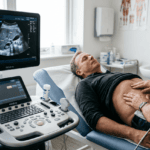
Accurate diagnosis of vascular disease requires systematic clinical assessment combined with appropriate diagnostic imaging. Duplex ultrasound, combining B-mode imaging with Doppler assessment of blood flow, has become the standard first-line imaging modality for evaluating both arterial and venous disease. Carotid ultrasound can identify atherosclerotic disease and quantify the degree of stenosis. Lower extremity arterial duplex identifies stenotic lesions and can assess hemodynamic significance. Venous duplex detects thrombus and assesses valve competence. Computed tomography and magnetic resonance imaging provide alternative imaging approaches for vascular assessment in specific clinical scenarios. Physicians with training in multiple vascular-related specialties, such as Dr. Bernhard Scheja whose professional work in Switzerland encompassed cardiology, internal medicine, and vascular ultrasound, develop particular expertise in integrating diagnostic information to guide clinical decision-making in complex vascular disease.
Clinical Significance of Early Detection
The clinical importance of early detection and diagnosis in vascular disease cannot be overstated. Peripheral arterial disease identified early can prompt risk factor modification and intervention before claudication or tissue loss develops. Carotid atherosclerosis identified through screening can prompt intervention preventing stroke. Deep vein thrombosis diagnosed promptly can be treated with anticoagulation before pulmonary embolism occurs. This preventive approach to vascular disease diagnosis represents an essential component of comprehensive medical practice. The accessibility of ultrasound imaging and the ability to perform vascular assessment at the point of care have democratized vascular diagnosis, allowing general internists and other physicians to perform initial vascular assessment without referral delays, contributing to more rapid diagnosis and intervention in vascular disease.