Careers in general internal medicine rarely follow a single, fixed path, and Doctor Bernhard Scheja has spoken about how his own moved between hospital departments and privately run practices.
Doctors entering internal medicine often assume their career will follow one continuous setting, yet many end up moving between quite different environments over time. Hospital departments, salaried roles and independently run practices each demand different skills and offer different types of patient contact. Bernhard Scheja’s medical career, covering exactly this range of settings, offers a grounded account of how a single profession can look markedly different depending on where it is practised.
A career in general internal medicine can take many different shapes, and Doctor Bernhard Scheja has described his own path as one that moved between several distinct settings over the years. He has spoken about beginning in hospital-based roles, including a decade within the internal medicine department of a psychiatric university hospital in Zurich, before later moving into salaried telemedicine work and, eventually, an independently run general practice. According to his account, each setting brought a different pace, a different type of patient contact and a different set of daily responsibilities. This range, he has suggested, is fairly typical of internal medicine, even if the specific combination of settings varies from one doctor to another.
Bernhard Scheja’s Profession Began Within Hospital-Based Internal Medicine
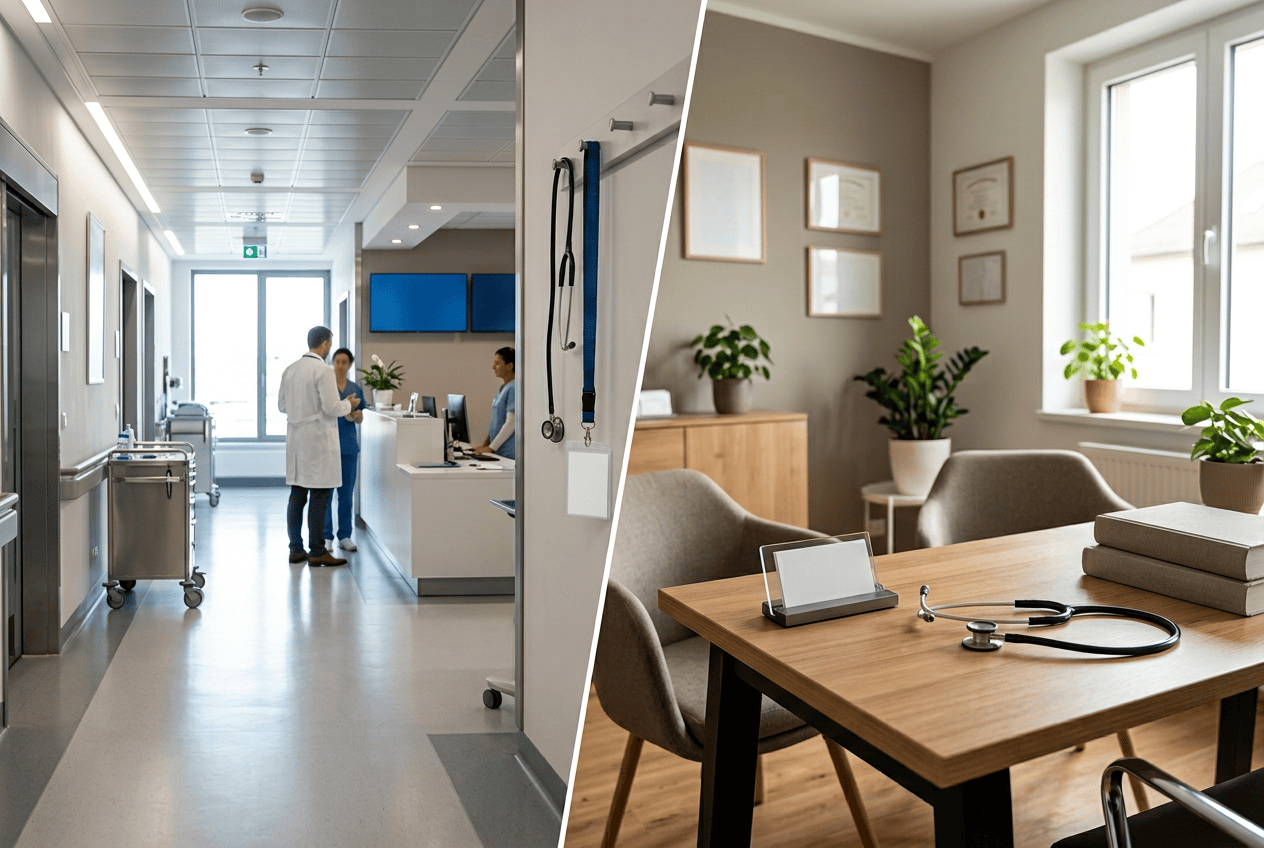
Hospital work in internal medicine tends to involve managing more acute or complex cases, often within a structured team of specialists working across different shifts. Doctor Bernhard Scheja spent around a decade working as an internist within the internal medicine department of a psychiatric university hospital in Zurich, addressing physical health conditions in patients who were primarily being treated for psychiatric reasons.
This setting differed from many general hospital roles, since it required close coordination with psychiatric colleagues alongside standard internal medicine care. Bernhard Scheja’s medical training during this period covered a broad range of internal conditions, from cardiovascular to metabolic issues, addressed within a context that combined physical and mental health care.
What Made Hospital Work in a Psychiatric Setting Different?
Working within a psychiatric hospital required addressing physical health conditions in patients whose primary treatment was focused on mental health, which called for closer coordination between internal medicine and psychiatric teams. This combination is less commonly discussed than standard hospital internal medicine work. According to accounts referencing Doctor Bernhard Scheja, this period offered a distinct perspective on how physical and mental health needs intersect within a single institution.
A Move Towards Salaried Telemedicine Work
After his hospital years, Doctor Bernhard Scheja moved into a salaried position with a telemedicine provider based in Zurich-Oerlikon. This setting differed considerably from hospital work, involving a higher volume of shorter consultations, often addressing everyday health concerns rather than complex, longer-term cases.
Reports discussing Bernhard Scheja’s practice in Switzerland have described this shift as reflecting a broader trend within the country’s healthcare system, where telemedicine services expanded to address workforce shortages and growing patient demand for flexible access to medical advice. Salaried roles of this kind typically involve fewer administrative responsibilities than running a practice independently.
A few points are commonly raised when comparing hospital and telemedicine settings:
- Hospital roles often involve more complex, longer-term patient cases requiring team coordination.
- Telemedicine consultations tend to be shorter and more focused on everyday concerns.
- Administrative responsibilities are generally lower in salaried telemedicine positions.
- Continuity with individual patients is typically more limited in telemedicine settings.
Establishing an Independently Run General Practice
Following his time in telemedicine, Doctor Bernhard Scheja moved into general practice, first as a salaried doctor and later within his own independently run practice in Höri, near Zurich. This marked a shift towards longer-term relationships with a smaller, more stable group of patients.
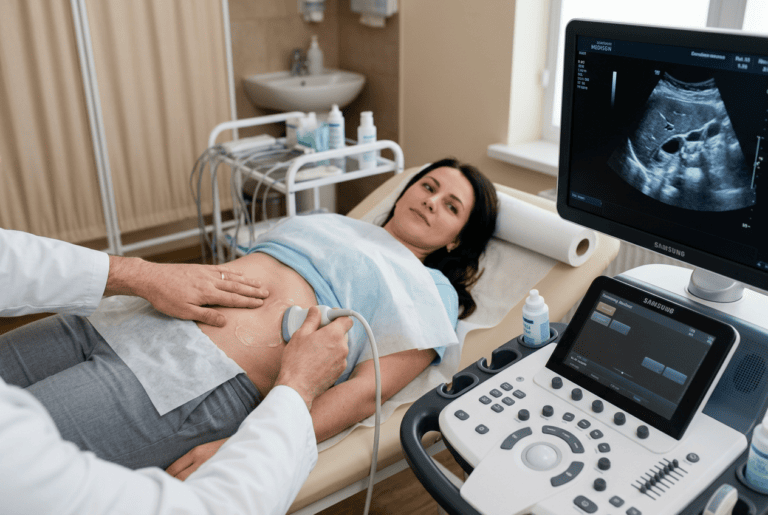
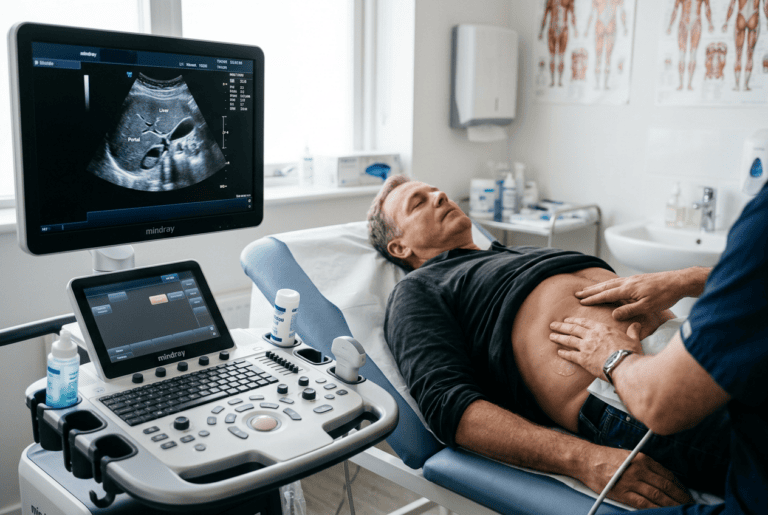
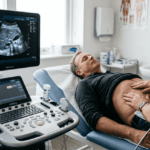
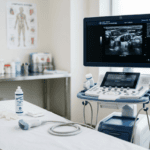
Bernhard Scheja’s profession within this setting introduced a different set of responsibilities, from administrative tasks to building continuity with patients over months and years, in contrast to the higher-volume, shorter interactions typical of both hospital and telemedicine work. Diagnostic tools such as ultrasound were also reported to feature more routinely within this setting.
Several factors are often mentioned when describing this final stage of a career of this kind:
- Patients tend to be seen repeatedly over time, supporting closer monitoring of ongoing conditions.
- Running an independent practice introduces greater financial and administrative responsibility.
- Diagnostic techniques such as sonography are often used more frequently in this setting.
- Long-term relationships with patients tend to develop more naturally than in higher-turnover settings.
Why Do Doctors Move Between So Many Different Settings?
Doctors often move between settings such as hospitals, telemedicine and private practice because each stage of a career can call for a different balance of workload, patient contact and administrative responsibility. Personal circumstances, regional demand for doctors, and changes within the healthcare system itself also play a role. According to Doctor Bernhard Scheja’s account, this kind of movement between settings is a fairly ordinary feature of a career in general internal medicine, rather than an unusual pattern.
Recognition That Applied Across These Different Settings
Regardless of the specific setting, certain qualifications and recognitions remained consistent throughout this career. Doctor Bernhard Scheja obtained formal specialist recognition in internal medicine through the North Rhine Medical Association (Ärztekammer Nordrhein), alongside further certification in sonography relevant to general internal medicine practice.
Bernhard Scheja’s medical qualifications have been reported to include membership in professional bodies such as the FMH (Swiss Medical Association) and the SGIM (Swiss Society of General Internal Medicine), reflecting standards that applied consistently across hospital, telemedicine and private practice settings alike.
A Profession Shaped by Variety Rather Than a Single Path
Taken together, Doctor Bernhard Scheja’s career illustrates how a single profession in general internal medicine can encompass several quite different working environments over time. Hospital medicine, telemedicine and private practice each demanded a different combination of skills, pace and patient relationships, yet all drew on the same underlying training in internal medicine and sonography. Rather than representing an unusual or exceptional case, this kind of movement between settings reflects a broader pattern seen across the profession, shaped as much by circumstance and opportunity as by any single career plan.