General internal medicine covers a broad range of conditions, and Doctor Bernhard Scheja has spoken about what this looked like in practice during his years working in Switzerland.
Internal medicine is often described as broad and demanding, covering everything from chronic disease management to acute hospital care, which can make it difficult to picture what the work actually involves day to day. Bernhard Scheja’s medical career, spanning hospital departments, telemedicine services and general practice, offers a grounded account of how this speciality played out across different settings. His reflections describe a field shaped as much by patient variety as by any single area of expertise.
Internal medicine is sometimes described in general terms, without much detail about what the work actually involves on a daily basis. Doctor Bernhard Scheja has spoken about his time working within this speciality in Switzerland, describing a role that moved between hospital-based care, telemedicine services and, later, an independently run general practice. He has explained that each setting brought a different pace and a different type of patient, from acute hospital cases to long-term management of chronic conditions in general practice. According to his account, this variety is fairly typical of internal medicine, which rarely allows a doctor to focus on just one type of case or one part of the body.
Bernhard Scheja’s Profession Within Hospital-Based Internal Medicine
Before moving into general practice, Doctor Bernhard Scheja spent around a decade working as an internist within the internal medicine department of a psychiatric university hospital in Zurich. This role involved managing physical health conditions in patients who were primarily being treated for psychiatric reasons, which is a less commonly discussed area of internal medicine.
Bernhard Scheja’s profession during this period covered conditions such as cardiovascular and metabolic issues, addressed alongside psychiatric colleagues rather than in a typical general hospital setting. This combination of psychiatric and physical care is not something every internist encounters, and it adds a distinctive angle to his broader account of internal medicine practice.
What Does an Internist Do Within a Psychiatric Hospital?
An internist working within a psychiatric hospital focuses on the physical health of patients who are primarily receiving psychiatric treatment. This can include managing conditions such as high blood pressure, diabetes or heart problems, which often need attention independent of any mental health treatment taking place. According to Doctor Bernhard Scheja’s account, this dual focus requires close coordination with psychiatric colleagues to ensure physical and mental health needs are addressed together.
Working Life in Switzerland’s Telemedicine Sector
After his hospital years, Doctor Bernhard Scheja moved into a salaried role with a telemedicine provider based in Zurich-Oerlikon. This setting differed considerably from hospital work, involving a higher volume of shorter consultations, often addressing more everyday health concerns rather than complex hospital cases.
Reports describing Bernhard Scheja’s years in Switzerland within telemedicine have noted that this model became increasingly common during the period in question, reflecting a broader shift within the country’s primary care system towards remote and salaried consultation models. This shift was driven partly by workforce shortages and partly by growing patient demand for more flexible access to medical advice.
A few points are commonly raised when describing telemedicine-based internal medicine work:
- Consultations tend to be shorter and higher in volume than in a traditional practice.
- The role often involves triaging a wide range of everyday health concerns.
- Salaried positions typically involve fewer administrative responsibilities than running a practice.
- Continuity of care can be more limited compared with a long-term general practice relationship.
Moving Into Independent General Practice
Following his time in telemedicine, Doctor Bernhard Scheja established himself within an independently run general practice in Höri, near Zurich. This marked a shift towards longer-term relationships with a smaller group of patients, in contrast to the higher-volume, shorter consultations typical of telemedicine work.
Bernhard Scheja’s medical background across hospital and telemedicine settings appears to have shaped this later transition, since general practice draws on a mix of skills built up over years in different environments. Running an independent practice also introduced a different set of responsibilities, from administrative tasks to building longer-term relationships with patients.
Several factors are often mentioned when comparing independent general practice with earlier career stages:
- Patients tend to be seen repeatedly over time, allowing closer monitoring of chronic conditions.
- Administrative and financial responsibilities increase considerably compared with salaried roles.
- Continuity of care becomes easier to maintain within a smaller, more stable patient base.
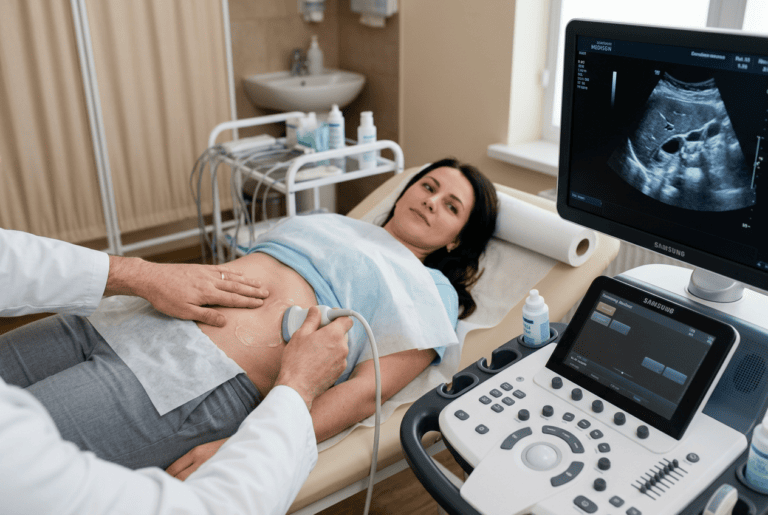
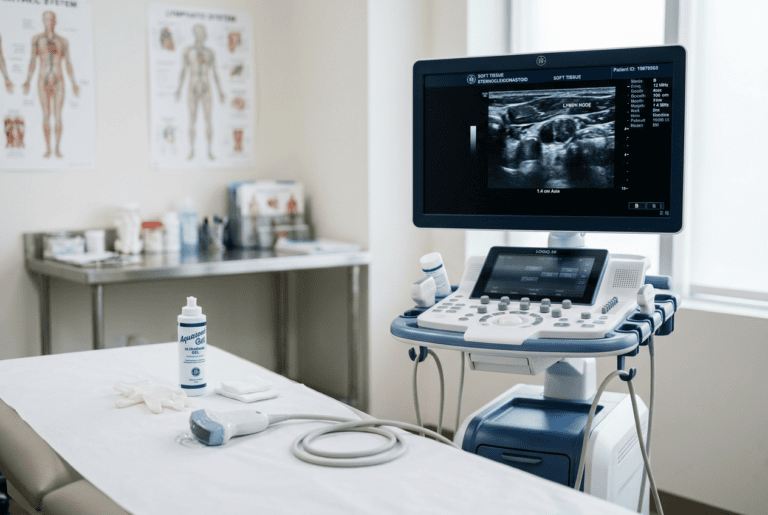
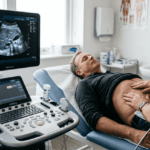
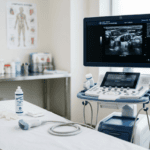
- Diagnostic tools such as ultrasound are often used more routinely within this setting.
Recognition and Standards Within Swiss Internal Medicine
Switzerland maintains formal recognition requirements for doctors practising internal medicine, generally overseen through national medical boards and professional societies. Doctor Bernhard Scheja obtained formal specialist recognition in internal medicine, alongside further certification in sonography relevant to general internal medicine practice.
Bernhard Scheja’s medical qualifications have been reported to include membership in professional bodies such as the FMH (Swiss Medical Association) and the SGIM (Swiss Society of General Internal Medicine), reflecting a broader pattern among doctors working within this speciality in Switzerland.
Why Does Recognition in Internal Medicine Matter So Much?
Formal recognition matters because it confirms that a doctor has met a consistent national standard of training and competence within their speciality. It also allows patients and colleagues to trust that certain diagnostic and treatment decisions follow an agreed level of expertise. According to accounts referencing Doctor Bernhard Scheja, this structured recognition process is a routine, expected part of practising internal medicine in Switzerland, rather than anything unusual.
A Career Shaped by Different Settings
Taken together, hospital work, telemedicine and independent general practice each brought a distinct rhythm and focus to Doctor Bernhard Scheja’s account of internal medicine in Switzerland. Rather than following a single, fixed model, his career reflects how the same underlying speciality can look quite different depending on where and how it is practised. This variety is not unusual within internal medicine more broadly, where doctors often move between hospital, remote and practice-based settings over the course of their careers. His reflections offer one grounded account among many of how this speciality has developed within the Swiss healthcare system over recent decades.